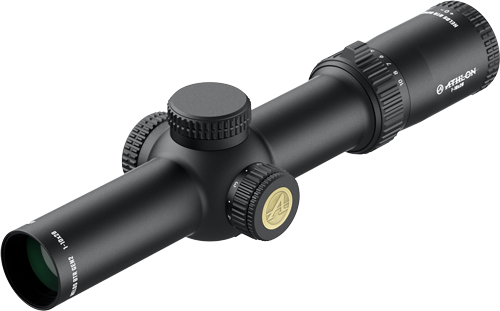
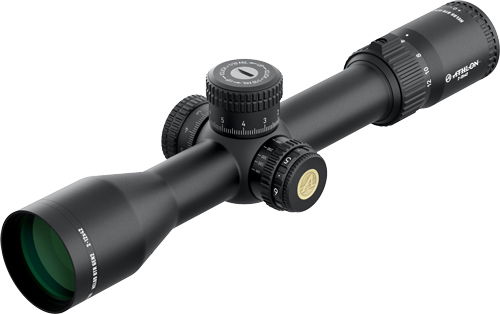
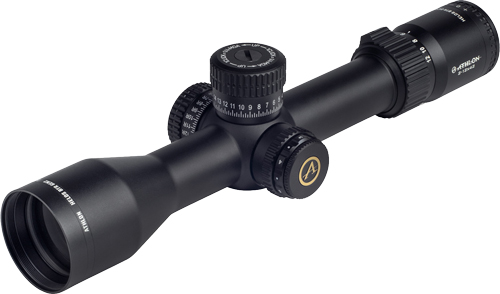
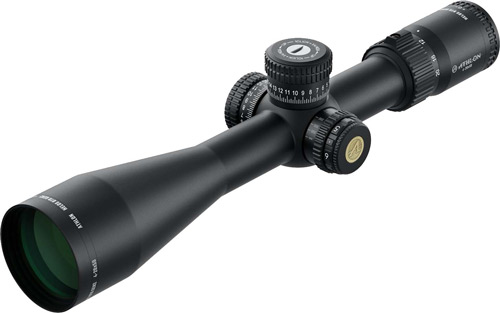
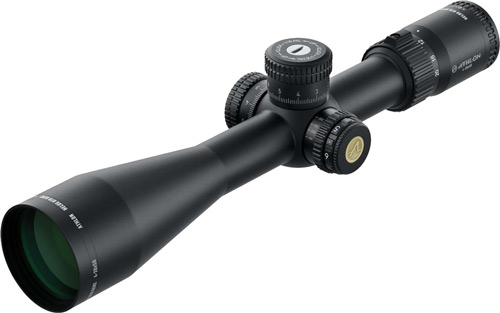
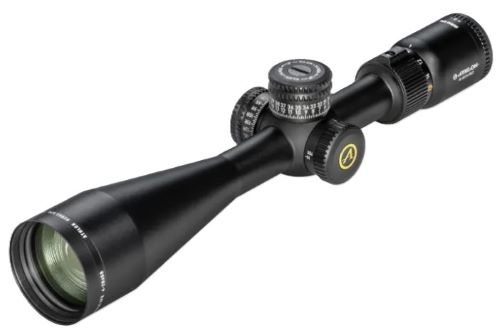
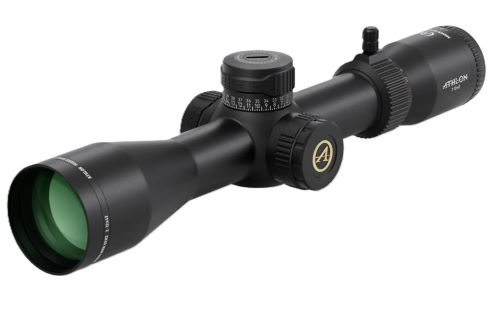
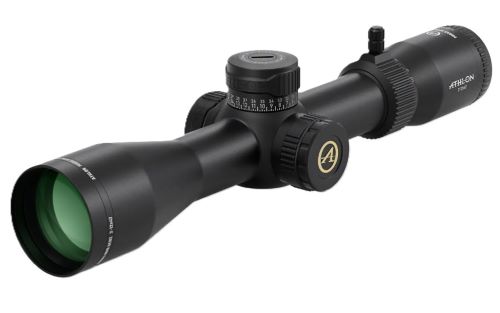
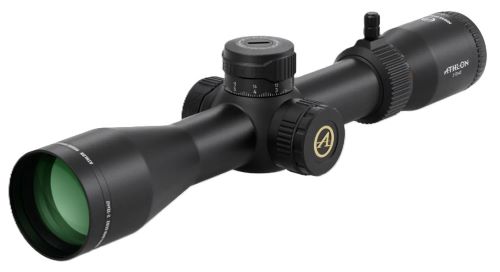
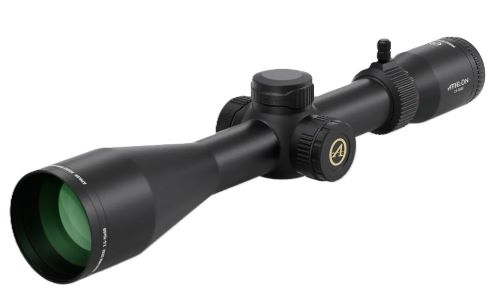
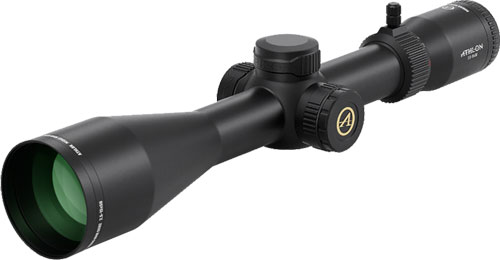
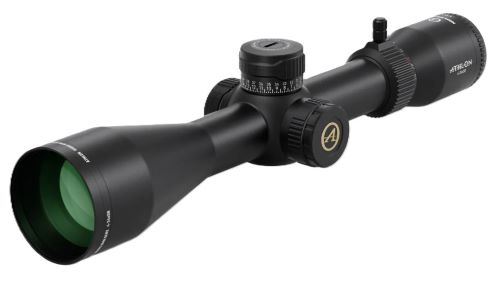
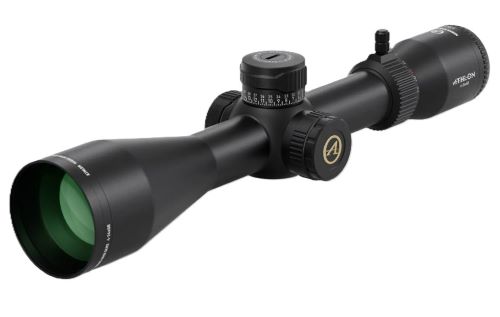
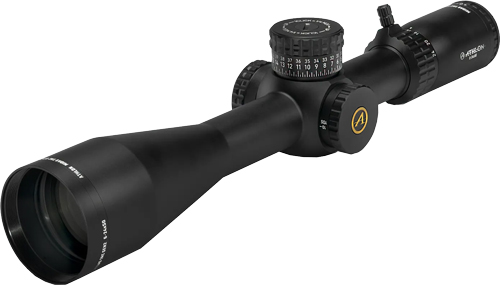
Order gun scopes online from trusted brands like Sightron, Simmons Optics, Ultradot, Trijicon, and TRUGLO. Superior Shooting stocks high-performance, precision gun scopes built for long-range shooters, big game hunters, varmint hunters, and tactical enthusiasts who demand clear glass and accurate holdovers at any distance. From low-power variable optics to high-magnification precision scopes, we carry a wide range of magnifications, reticles, and turret styles to match every shooter and platform. Pair your optic with gun sights for backup aiming, grab a pair of binoculars to scout from a distance, or dial in your shots with range finders for accurate distance measurements. Round out your kit with red dot sights, laser sights, rifles, handguns, and rifle ammunition from our full inventory.
Buy gun scopes at Superior Shooting and find the right glass to stretch your effective range, improve low-light performance, and deliver consistent accuracy on every shot. Whether you are mounting a scope on a Michigan deer rifle for the Lower Peninsula’s straight-wall season, dialing in a precision long-range build for the Upper Peninsula, or adding magnification to a slug gun for improved downrange accuracy, the right scope is the single most impactful upgrade you can make to a hunting or precision rifle.
Complete your scope setup and explore the full firearms and optics lineup at Superior Shooting:
Superior Shooting is the optics-focused firearms dealer in St. Clair Shores, Michigan, and serves customers in the nearby cities of Warren, Fraser, and Eastpointe. All firearm purchases at Superior Shooting are conducted in full compliance with federal and Michigan state law, including ATF Form 4473 and a NICS background check for every firearm sale. Michigan enacted universal background check requirements for all firearm sales, including private transfers, in 2023.
Gun scopes and mounting hardware are unregulated accessories under both federal and Michigan law and do not require a background check to purchase. There are no state or federal restrictions on the ownership or use of standard optical riflescopes by eligible Michigan residents. Michigan hunters should consult the Michigan DNR for any season-specific regulations on sighting equipment, as certain special seasons or methods of take rules may have restrictions on magnified optics for particular species or zones. All firearms to which scopes are attached remain subject to all applicable federal and Michigan firearms laws.
Michigan’s 2024 safe storage law requires all firearms to be stored securely to prevent access by minors when not under the direct control of an authorized adult. Scopes and mounting hardware should be inspected for proper torque and zero retention at the start of each hunting season and after any transport or impact that could shift your zero. Contact Superior Shooting for help selecting the right scope, rings, base, or mount for your specific Michigan hunting rifle or precision build.
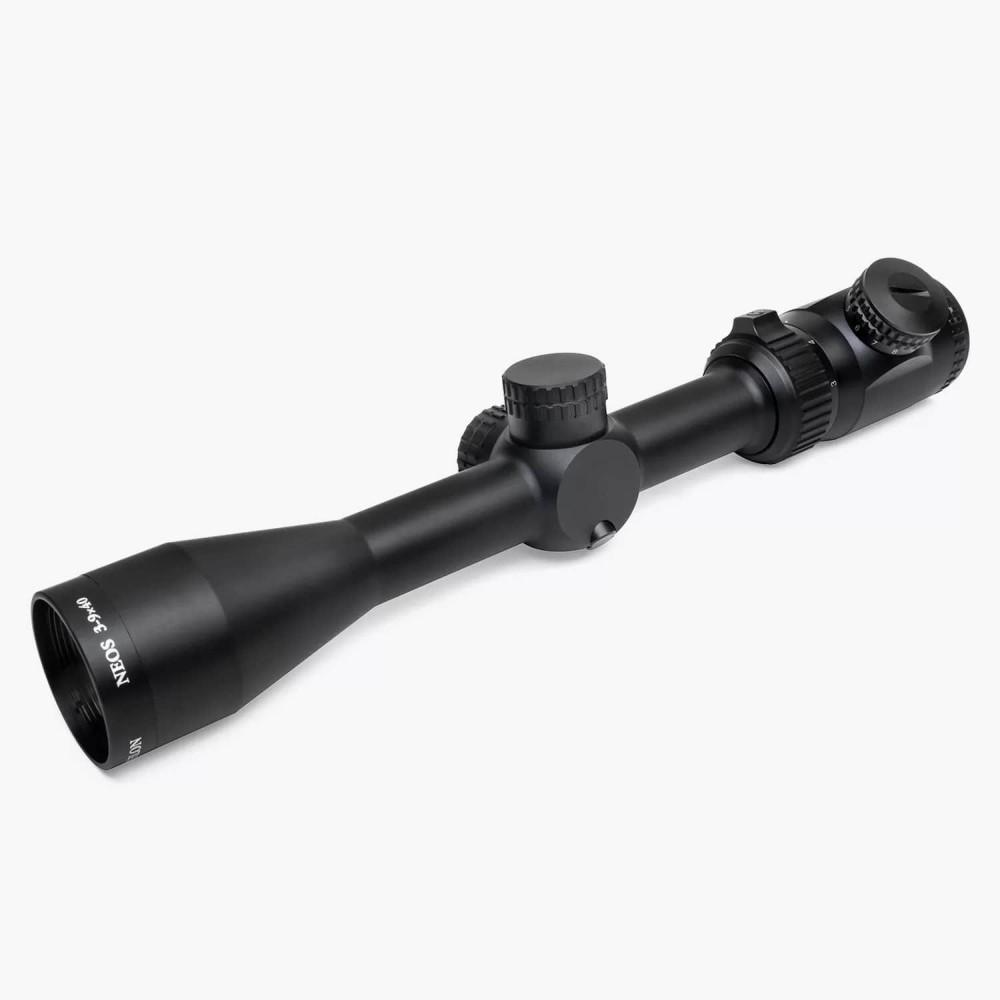
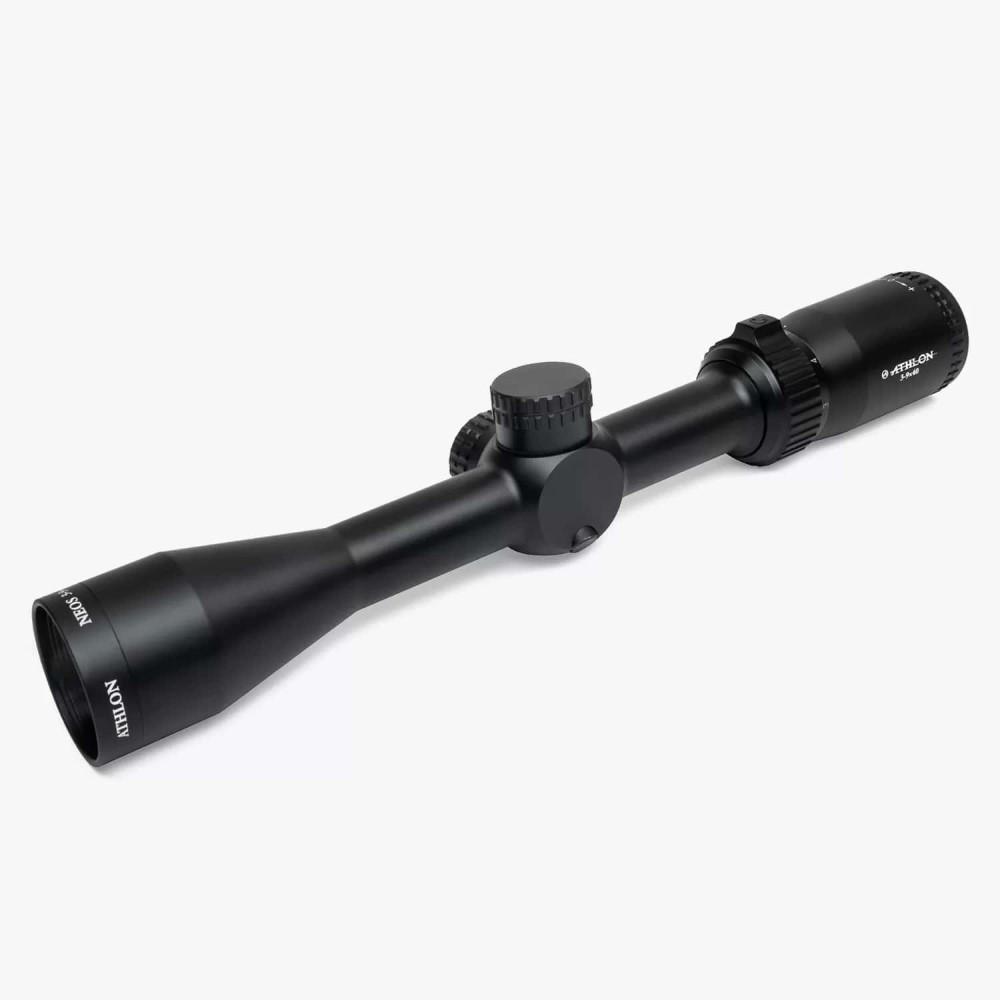
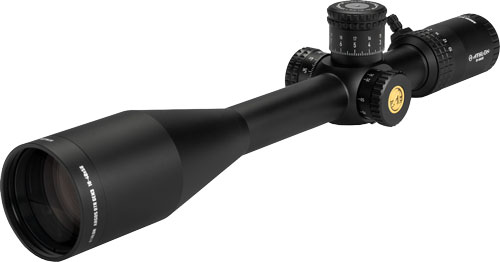
Superior Shooting carries a selection of riflescopes spanning hunting, precision long-range, and tactical configurations from well-regarded manufacturers. Available options include variable power scopes in popular magnification ranges for Michigan deer hunting and precision shooting, as well as dedicated slug gun scopes and low-power variable optics for AR and carbine platforms. Stop in or check online for current inventory and available models.
For most Michigan deer hunting scenarios, a variable power scope in the 3-9×40 or 2-10×42 range is the most practical and versatile choice, covering close timber shots in the Lower Peninsula and longer field shots in more open terrain. Hunters in tight timber may prefer a lower-powered 1.5-5x or 2-7x for faster target acquisition, while Upper Peninsula hunters pursuing deer in open country may want a 4-12x or higher for additional reach. The right magnification depends on your terrain, typical shot distances, and the caliber of your rifle.
For a dedicated Michigan slug gun, a low-power variable scope in the 1.5-5x or 2-7x range with a generous field of view and reliable low-light performance is the standard recommendation. Slug guns generate significant recoil, so selecting a scope with generous eye relief is important to prevent scope bite. Many Michigan Lower Peninsula deer hunters running slug guns in tight timber prefer scopes with large exit pupils and bright glass for the low-light conditions common during early morning and late evening hunts.
In a first focal plane scope, the reticle grows and shrinks with magnification changes, meaning holdover marks remain accurate at any power setting. In a second focal plane scope, the reticle stays the same apparent size regardless of magnification, meaning any built-in holdover or ranging marks are only accurate at one specific magnification, typically maximum power. First focal plane scopes are popular with precision and long-range shooters, while second focal plane designs are common in hunting scopes where maximum power use is standard practice.
The right rings and mounts depend on your scope’s main tube diameter, your rifle’s receiver type and existing rail system, and the ring height required to clear your barrel and objective lens. Most modern rifles use either a Picatinny rail, Weaver-style bases, or receiver-specific proprietary bases. Ring height, typically low, medium, or high, determines how far your scope sits above the bore and directly affects your cheek weld and shooting comfort. The staff at Superior Shooting can help match rings and mounts to your specific scope and rifle combination.
Yes. A quality riflescope is a practical and popular upgrade for AR-platform rifles chambered in straight-wall calibers like .350 Legend and .450 Bushmaster for Michigan Lower Peninsula deer hunting. Low-power variable optics in the 1-6x or 1-8x range are particularly well suited for these builds, offering close-range speed at low power and enough magnification at higher settings for confident shot placement at typical Michigan hunting distances. A good LPVO paired with a straight-wall AR is one of the most versatile and capable Michigan deer hunting setups available.
Start by bore-sighting your rifle at home to get on paper quickly at the range. Begin zeroing at 25 yards to confirm you are hitting the target, then move to your intended zero distance, typically 100 yards for most Michigan hunting applications. Fire a three-shot group, then use your scope’s elevation and windage turrets to move your point of impact to the desired zero point. Confirm zero with a follow-up group before considering the job done. For slug guns and straight-wall calibers with more pronounced trajectory drop, a 100-yard zero is standard for most Lower Peninsula hunting distances.
Verify your zero at the beginning of each hunting season, after any transport where your rifle may have been bumped, after changing ammunition, and any time your rifle has experienced significant temperature changes between storage and field use. Michigan’s cold early morning hunting conditions can affect point of impact compared to warmer range sessions. A quick confirmation at the range before the season opens ensures your rifle performs exactly as expected when a Michigan buck steps into range. Contact Superior Shooting for help with scope selection, mounting, or zeroing questions.
Superior Shooting carries a selection of riflescopes spanning hunting, precision long-range, and tactical configurations from well-regarded manufacturers. Available options include variable power scopes in popular magnification ranges for Michigan deer hunting and precision shooting, as well as dedicated slug gun scopes and low-power variable optics for AR and carbine platforms. Stop in or check online for current inventory and available models.
For most Michigan deer hunting scenarios, a variable power scope in the 3-9×40 or 2-10×42 range is the most practical and versatile choice, covering close timber shots in the Lower Peninsula and longer field shots in more open terrain. Hunters in tight timber may prefer a lower-powered 1.5-5x or 2-7x for faster target acquisition, while Upper Peninsula hunters pursuing deer in open country may want a 4-12x or higher for additional reach. The right magnification depends on your terrain, typical shot distances, and the caliber of your rifle.
For a dedicated Michigan slug gun, a low-power variable scope in the 1.5-5x or 2-7x range with a generous field of view and reliable low-light performance is the standard recommendation. Slug guns generate significant recoil, so selecting a scope with generous eye relief is important to prevent scope bite. Many Michigan Lower Peninsula deer hunters running slug guns in tight timber prefer scopes with large exit pupils and bright glass for the low-light conditions common during early morning and late evening hunts.
In a first focal plane scope, the reticle grows and shrinks with magnification changes, meaning holdover marks remain accurate at any power setting. In a second focal plane scope, the reticle stays the same apparent size regardless of magnification, meaning any built-in holdover or ranging marks are only accurate at one specific magnification, typically maximum power. First focal plane scopes are popular with precision and long-range shooters, while second focal plane designs are common in hunting scopes where maximum power use is standard practice.
The right rings and mounts depend on your scope’s main tube diameter, your rifle’s receiver type and existing rail system, and the ring height required to clear your barrel and objective lens. Most modern rifles use either a Picatinny rail, Weaver-style bases, or receiver-specific proprietary bases. Ring height, typically low, medium, or high, determines how far your scope sits above the bore and directly affects your cheek weld and shooting comfort. The staff at Superior Shooting can help match rings and mounts to your specific scope and rifle combination.
Yes. A quality riflescope is a practical and popular upgrade for AR-platform rifles chambered in straight-wall calibers like .350 Legend and .450 Bushmaster for Michigan Lower Peninsula deer hunting. Low-power variable optics in the 1-6x or 1-8x range are particularly well suited for these builds, offering close-range speed at low power and enough magnification at higher settings for confident shot placement at typical Michigan hunting distances. A good LPVO paired with a straight-wall AR is one of the most versatile and capable Michigan deer hunting setups available.
Start by bore-sighting your rifle at home to get on paper quickly at the range. Begin zeroing at 25 yards to confirm you are hitting the target, then move to your intended zero distance, typically 100 yards for most Michigan hunting applications. Fire a three-shot group, then use your scope’s elevation and windage turrets to move your point of impact to the desired zero point. Confirm zero with a follow-up group before considering the job done. For slug guns and straight-wall calibers with more pronounced trajectory drop, a 100-yard zero is standard for most Lower Peninsula hunting distances.
Verify your zero at the beginning of each hunting season, after any transport where your rifle may have been bumped, after changing ammunition, and any time your rifle has experienced significant temperature changes between storage and field use. Michigan’s cold early morning hunting conditions can affect point of impact compared to warmer range sessions. A quick confirmation at the range before the season opens ensures your rifle performs exactly as expected when a Michigan buck steps into range. Contact Superior Shooting for help with scope selection, mounting, or zeroing questions.