Loading...
Loading...
Learning to carry a concealed firearm is a serious responsibility. Confidence, safety, and skill develop through hands-on training and clear instruction. Many women enter their first concealed pistol license class feeling unsure about equipment, terminology, or range procedures. That feeling is common and fades quickly in the right environment.
Female-focused CPL training classes create a space where women can learn at their own pace, ask questions freely, and build real-world defensive skills alongside other women with similar goals. The result is steady confidence and stronger performance on the range.
These classes are not about limiting standards. They are about removing barriers that sometimes make learning harder than it needs to be.
Walking into a mixed class for the first time can feel intimidating. Some students worry about keeping up or asking basic questions. That hesitation slows learning.
Women-focused classes tend to feel more relaxed and supportive. Students share similar starting points and often communicate more openly. Questions come naturally. Mistakes become part of the process rather than something to hide.
That environment encourages participation. Participation leads to faster improvement.
A student who feels comfortable is more likely to practice drawing, reloading, and handling drills without second guessing every step.
Female shooters sometimes face different challenges that standard classes do not always address clearly.
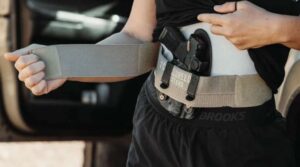
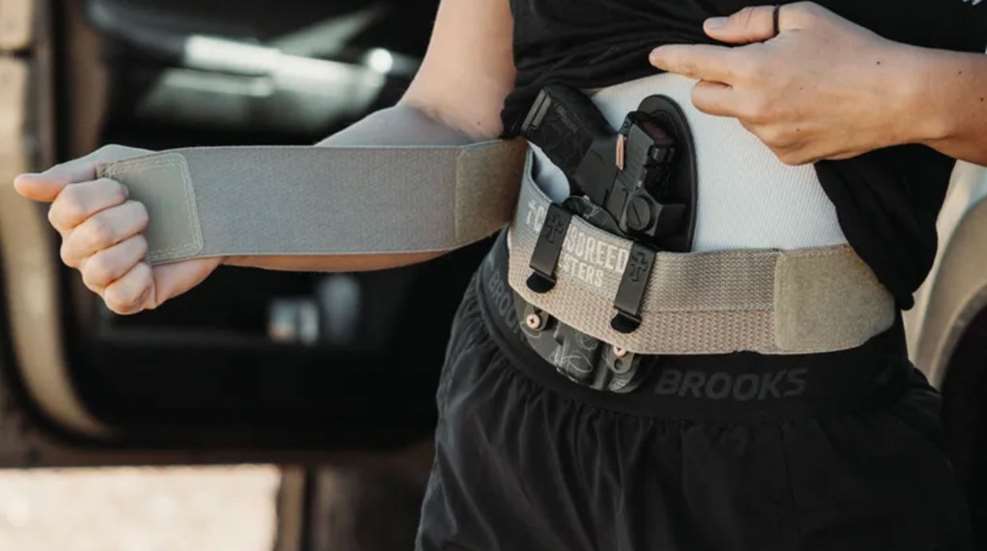
Hand size, grip strength, clothing styles, and daily routines influence firearm and holster choices. A setup that works well for one person may not work for another.
Female-focused classes spend time discussing these practical details.
These conversations help students make informed decisions rather than guessing.
Large classes often limit one-on-one coaching. Instructors must split time across many students. Small issues with grip or trigger control can go unnoticed.
Women’s CPL courses often keep groups smaller. This allows instructors to observe each student closely and offer direct feedback.
A simple adjustment to hand placement or stance can improve accuracy immediately. Personal coaching speeds up progress and prevents bad habits from forming.
Students leave feeling prepared instead of rushed.
Everyone learns differently. Some students grasp fundamentals quickly. Others prefer a little more repetition.
Female-focused classes often create a pace that feels steady and manageable. Instructors explain concepts clearly, demonstrate each step, then guide students through hands-on practice.
This approach reduces frustration. It also improves retention.
Confidence grows from doing the task correctly multiple times. Drawing from concealment, loading magazines, clearing malfunctions, and firing controlled groups become familiar actions.
Familiar actions reduce stress during real situations.
Training alongside other women often builds strong connections. Students encourage each other, share experiences, and continue practicing together after class ends.
This sense of community makes ongoing training more likely. Instead of attending one class and stopping, many women return for refresher courses, range days, and advanced instruction.
Regular practice keeps skills sharp and reinforces safe habits.
Learning becomes an ongoing journey rather than a one-time event.
Self-defense concerns differ from person to person. Many women want training that reflects situations they might realistically face.
Female-focused courses often include discussions around:
These conversations feel practical and relatable. Students can picture how the lessons apply to daily life.
Carrying a firearm becomes part of a broader safety plan rather than the only solution.
Walking into a gun store or browsing online options can feel overwhelming for beginners. So many models, sizes, and accessories compete for attention.
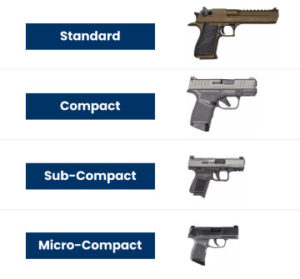
Instructors who regularly teach women understand which handguns, holsters, and belts tend to work well for different body types and experience levels. Their recommendations come from hands-on observation, not marketing trends.
This guidance saves time and helps students choose gear that fits comfortably and performs reliably.
Simple, dependable equipment supports safer habits.
Confidence does not appear overnight. It grows from steady repetition and positive experiences.
Women who train in a supportive environment often report feeling more comfortable handling firearms, speaking up with questions, and practicing independently. That confidence carries into everyday life.
Carrying responsibly requires calm decision-making and situational awareness. Training that builds assurance helps students think clearly under pressure.
Women’s CPL training classes create a focused environment that supports learning, comfort, and real skill development. Smaller groups, practical instruction, and relatable discussions help students progress quickly and safely.
A class that feels welcoming encourages regular practice. Regular practice builds competence. Competence leads to confidence.
If you are considering your first concealed pistol license course or looking for additional training, a female-focused class can provide a strong foundation and a supportive community that continues long after the course ends.