
Loading...
Loading...
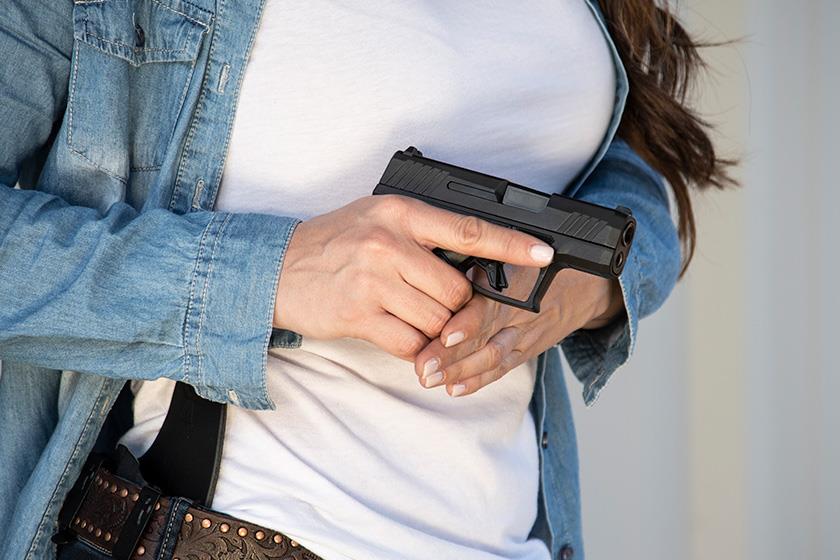
Carrying a concealed handgun brings a higher level of responsibility than many new permit holders expect. The firearm is only one part of personal defense. Mindset, training, safe habits, and sound decisions matter every day you carry.
Many first-time concealed carriers start strong after their CPL class, then fall into small mistakes that affect safety or confidence. These issues are common and easy to fix once you recognize them.
This guide walks through the most frequent problems new carriers face and clear steps that help you avoid them.
Passing a concealed pistol license class proves you met the basic requirement. Skills fade quickly without repetition.
Shooting accurately under calm range conditions feels different from drawing safely and placing fast, controlled shots. Without regular practice, reaction time slows and confidence drops.
A firearm you rarely train with becomes unfamiliar. That hesitation shows up when it matters most.
Short, consistent sessions build stronger skills than occasional long ones.
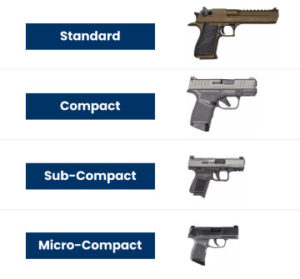
New carriarers often buy the smallest handgun available because it hides easily. Smaller pistols can feel snappy, harder to grip, and less forgiving during rapid fire.
Others choose a large handgun that feels great at the range but proves heavy and uncomfortable for daily carry. That weight leads to leaving it at home.
Comfort and shootability must work together.
Try compact and subcompact models before buying. Shoot both sizes. Pick the one you can control well and carry all day without discomfort.
A slightly larger handgun you train with regularly outperforms a tiny one you avoid practicing.
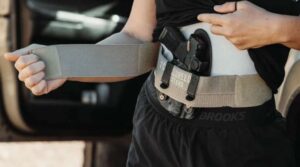
The holster is safety equipment. A poor holster causes more problems than the firearm itself.
Soft nylon holsters can collapse and catch the trigger during reholstering. Weak belt clips allow the holster to shift or come out with the gun. Inconsistent positioning slows your draw.
These issues create unnecessary risk.
Choose a rigid holster made from quality kydex or reinforced leather.
Look for:
Test it at home with an unloaded firearm. Sit, walk, bend, and move around. The holster should stay in place the entire time.
Printing happens when the outline of your handgun shows through clothing. Constantly adjusting your shirt or checking your waistband draws attention.
Good concealment blends naturally into your routine. People around you should not notice anything unusual.
Small wardrobe changes make a big difference.
A concealed firearm is not a shortcut to feeling secure. Awareness and judgment prevent more problems than any tool.
Some new carriers focus only on the gun and forget the habits that keep them out of danger. Distractions, poor situational awareness, and risky environments increase the chance of needing to act.
Avoidance remains the safest outcome.
The best defensive encounter is the one that never happens.
Laws change by state and sometimes by city. Carry locations, vehicle rules, and use-of-force standards vary widely.
Many new carriers learn the basics in class and never review them again. That gap can lead to serious consequences.
Knowledge supports responsible ownership.
Some people load defensive ammunition and never fire a single round of it. Not all guns behave the same with every load.
Different bullet weights and designs can affect feeding and recoil.
Run at least one magazine of your chosen defensive ammo through your handgun. Confirm reliability and point of impact. Then replace that ammo yearly.
Accuracy problems often come from inconsistent fundamentals. Jerking the trigger, weak grip pressure, or poor stance leads to scattered shots.
Under stress, small errors become larger.
Focus on:
Dry fire practice at home reinforces these basics safely.
Carrying responsibly extends beyond public spaces. Firearms left unsecured at home create preventable risks.
Children, visitors, or unauthorized access can turn a simple mistake into a serious incident.
Safe storage protects everyone in your household.
Mistakes are part of learning. Every experienced concealed carrier once faced the same challenges. What matters is building habits that support safety, confidence, and consistent training.
Carry a handgun that fits you well. Use reliable equipment. Practice often. Stay aware of your surroundings and your responsibilities.
Small improvements each week lead to steady progress. That steady progress builds the confidence most new carriers are looking for from the start.