Loading...
Loading...
Carrying a concealed handgun is a personal responsibility that blends safety, comfort, and confidence. The right firearm should feel natural in your hand, simple to operate, and reliable every time you train or carry. A poor fit leads to hesitation, discomfort, and inconsistent practice. A good fit encourages regular training and steady confidence.
New carriers often focus on brand names or what a friend recommends. Personal fit matters more than trends. Hand size, body type, clothing style, and experience level all play a role in the decision.
This guide walks through the key factors that help you choose a handgun that supports safe daily carry and long-term skill building.
A concealed handgun becomes part of your daily routine. You sit with it, walk with it, and move through tight spaces with it. Comfort affects consistency. If the firearm feels bulky or heavy, you may leave it at home. That defeats the purpose of carrying.
Grip size is the first thing to check.
Your fingers should wrap fully around the grip without strain. You should reach the trigger without shifting your hand. Controls such as the magazine release and slide stop should be accessible without breaking your grip.
If possible, handle several models at a range or training class. A few minutes of dry handling reveals more than hours of reading specs.
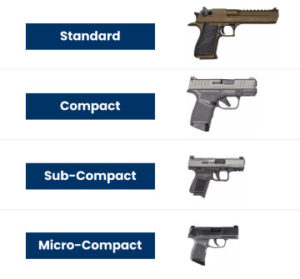
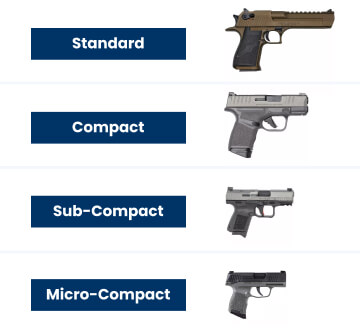
Handguns generally fall into full-size, compact, and subcompact categories. Each size offers tradeoffs between concealability, recoil control, and capacity.
| Size Type | Concealment | Recoil Control | Capacity | Ideal For |
|---|---|---|---|---|
| Full-Size | Low | High | High | Home defense, duty use |
| Compact | Medium | Medium-High | Medium-High | Balanced carry |
| Subcompact | High | Medium-Low | Medium | Deep concealment, daily carry |
Most concealed carriers choose compact or subcompact pistols. These sizes balance shootability with easier concealment under everyday clothing.
Compact pistols offer a longer grip and barrel, which reduces felt recoil and improves accuracy. Subcompacts and micro-compacts hide more easily but can feel snappy during recoil.
Shoot both sizes if possible. Many new carriers discover they shoot compact frames more accurately, even if the smaller models conceal slightly better.
Caliber debates often distract from what matters most. Shot placement and consistent practice matter more than raw power.
For most people, 9mm is a practical choice.
It offers manageable recoil, good capacity, and affordable practice ammunition. Lower ammo cost encourages frequent training, which builds skill faster.
Larger calibers like .40 S&W or .45 ACP produce stronger recoil and slower follow-up shots for many shooters. Smaller calibers may reduce recoil but can limit performance.
Test fire a few options. Your comfort level with recoil tells you more than any chart.
A defensive handgun must function every time you press the trigger. Reliability outweighs features or appearance.
Stick with proven manufacturers and widely used models. Look for firearms with strong track records among instructors, law enforcement, and long-term owners.
After purchase, run several hundred rounds through your handgun at the range. This confirms proper function with your chosen carry ammunition.
Trigger feel affects accuracy and confidence. A consistent trigger pull helps maintain tighter groups and safer handling.
Striker-fired pistols usually have a consistent pull from shot to shot. Hammer-fired models may have different pulls between the first and following shots.
Controls should feel intuitive. Under stress, simple designs reduce confusion.
Focus on:
Night sights or high-visibility sights can improve target acquisition in low light.
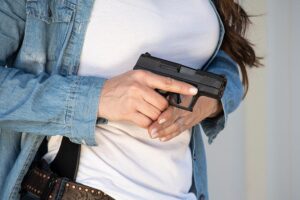
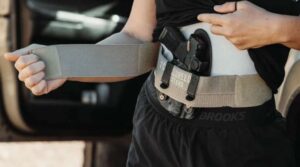
Your holster choice influences the size and weight you can comfortably carry. Inside-the-waistband carry often hides compact pistols well. Appendix carry works for many smaller frames. Outside-the-waistband setups may conceal under jackets or looser clothing.
Try your carry method with an unloaded firearm at home first. Walk, sit, and bend. Comfort and stability should feel natural.
A quality holster should:
The right handgun supports regular practice. Range time builds muscle memory and situational awareness.
Choose a model that you enjoy shooting. That enjoyment leads to more sessions and stronger skills.
Training classes also provide valuable feedback. Instructors can watch your grip, stance, and draw technique, then suggest adjustments that improve safety and performance.
Choosing a concealed carry handgun is a personal decision shaped by comfort, reliability, and confidence. Handle several options. Shoot them if you can. Pay attention to how each one feels in your hands and during recoil.
A dependable, comfortable firearm encourages steady carry and consistent practice. That consistency builds the skills that matter most.
If you plan to attend a concealed pistol license class, ask your instructor about range rentals or recommendations. Hands-on experience often makes the choice clear within a few magazines.
The goal is simple. Carry safely, train regularly, and select equipment that supports both.